


THE
KIDSWATCH
BLOG

Is Your Child Ready for Fall Allergy Season?
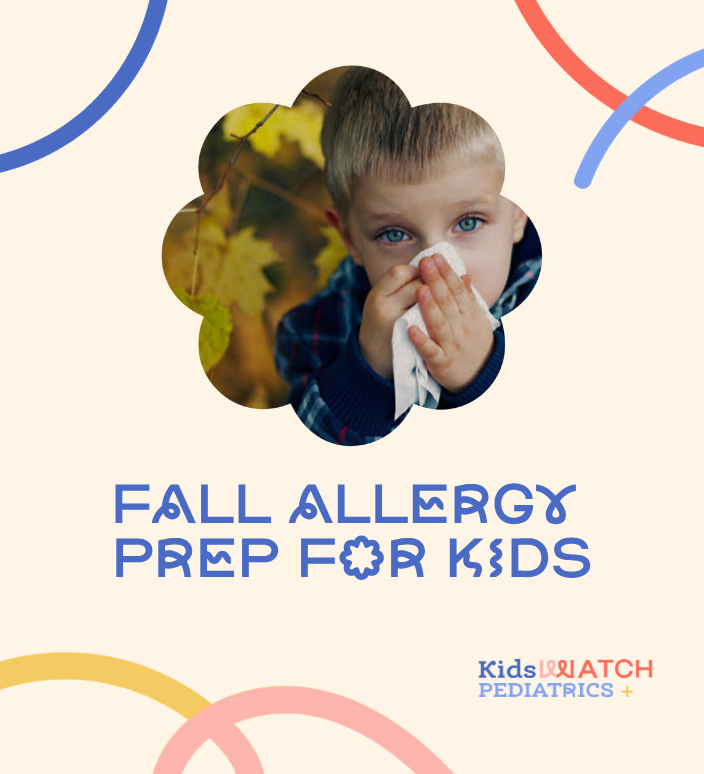
Fall brings cooler mornings, changing leaves, school routines, and more time outside. But for many children, it can also bring another round of sneezing, congestion, itchy eyes, and coughing.
Spring may get most of the attention when it comes to seasonal allergies, but fall allergies can be just as uncomfortable for kids. Preparing before symptoms become disruptive can make the season easier to manage.
Here is what Northern Virginia families should know about common fall allergy triggers, symptoms to watch for, and how to prepare.
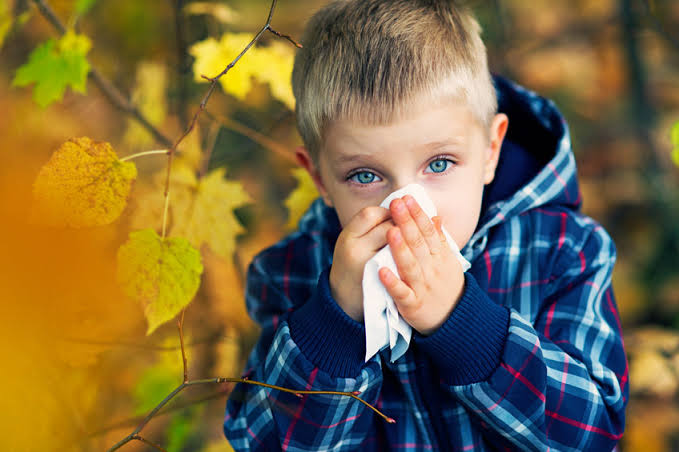
Why Do Allergies Get Worse in the Fall?
Seasonal allergies happen when the immune system reacts to substances in the environment, such as pollen or mold.
One of the biggest fall allergy triggers is ragweed pollen. Ragweed typically releases pollen from late summer into fall, and its lightweight pollen can travel through the air.
Fall can also bring increased exposure to mold spores, particularly around damp soil, fallen leaves, compost, and other decaying vegetation.
Children who also have asthma may notice that certain environmental triggers contribute to coughing, wheezing, or other respiratory symptoms.
Is It Fall Allergies or a Cold?
This is one of the most common questions parents have, especially once children are back in school and respiratory illnesses begin circulating again.
There can be a lot of overlap.
Allergies may cause:
→ Sneezing
→ Clear or runny nose
→ Nasal congestion
→ Itchy or watery eyes
→ Itchy nose or throat
→ Coughing
One clue is itching. Itchy eyes and an itchy nose are more commonly associated with allergies than a typical viral infection.
Fever is another important difference. Seasonal allergies do not cause a fever. If your child develops a fever, significant fatigue, body aches, or other new symptoms, something besides allergies may be responsible.
And yes, children can have allergies and a viral illness at the same time.
How to Prepare Your Child for Fall Allergy Season
You cannot eliminate every outdoor allergen, and children should still be able to enjoy being outside. But a few habits can help reduce exposure.
1. Pay Attention to Your Child’s Patterns
If your child develops similar symptoms around the same time every year, make a note of when they begin and what seems to make them worse.
Do symptoms increase after soccer practice? Playing in leaves? Spending an afternoon outside?
Recognizing patterns can help you and your pediatrician identify possible triggers.
2. Check Pollen Levels
On days when pollen counts are particularly high, children with significant seasonal allergies may benefit from reducing unnecessary exposure.
That does not necessarily mean staying inside all day. Instead, consider adjusting when and how long they spend outdoors based on their individual symptoms.
3. Change Clothes After Outdoor Activities
Pollen can collect on clothing, shoes, skin, and hair.
After spending significant time outdoors, particularly on high-pollen days, having your child change clothes and wash their hands and face can help reduce how much pollen gets carried throughout the house.
A shower before bed may also help remove pollen from the skin and hair.
4. Keep Outdoor Allergens Out of the Bedroom
The bedroom should ideally be one place where your child gets a break from outdoor allergens.
Keeping windows closed when pollen counts are high, regularly washing bedding, and avoiding placing outdoor clothing on the bed can help limit exposure.
5. Be Careful Around Fallen Leaves
Jumping into a giant pile of leaves is practically a fall tradition.
But damp, decomposing leaves can harbor mold, which may trigger symptoms in children who are sensitive to it.
Children do not necessarily need to avoid leaves altogether, but parents should pay attention if symptoms consistently worsen after exposure.
Should You Start Allergy Medicine Before Symptoms Get Bad?
Some children with predictable seasonal allergies may benefit from starting certain allergy treatments before or early in their typical allergy season.
However, the right medication and timing depend on your child’s age, symptoms, medical history, and previous response to treatment.
Before starting a new medication or changing your child’s existing allergy plan, talk with their pediatrician.
If your child has asthma as well as seasonal allergies, it is also a good time to review their asthma action plan and make sure medications and inhalers are current.
When Should Your Child See a Pediatrician?
Occasional sneezing does not necessarily require a doctor’s visit. But it may be worth having your child evaluated when symptoms are persistent, difficult to control, or interfering with everyday life.
Talk with your pediatrician if:
→ Symptoms are interfering with sleep or school
→ Your child is constantly congested or coughing
→ You are unsure whether symptoms are allergies or an illness
→ Over-the-counter treatments are not providing enough relief
→ Symptoms keep returning or worsening
→ Your child has asthma and is coughing or wheezing more frequently
Trouble breathing, significant difficulty breathing, blue or gray lips or face, or other signs of a medical emergency require immediate emergency care.
Primary Care + Urgent Care at KidsWatch Pediatrics
Fall can bring allergies, but it also brings plenty of colds, flu, respiratory infections, and other illnesses that can look similar at first.
That is one reason having primary and urgent pediatric care in one place can be helpful.
At KidsWatch Pediatrics, our primary care team can help families manage ongoing seasonal allergies, review recurring symptoms, and develop an appropriate treatment plan.
And when your child suddenly wakes up sick, develops new symptoms, or needs to be evaluated sooner, our pediatric urgent care team is here too.
Not sure whether those sniffles are allergies or something else? We can help you figure out what is going on and what your child may need next.
This article is for general educational purposes and is not a substitute for medical advice. Talk with your child’s healthcare provider for recommendations specific to your child’s health and medical history.
Comments will load here
Be the first to comment