


THE
KIDSWATCH
BLOG

Heat Rash in Babies and Toddlers: How to Identify It, Treat It, and Actually Get Some Sleep
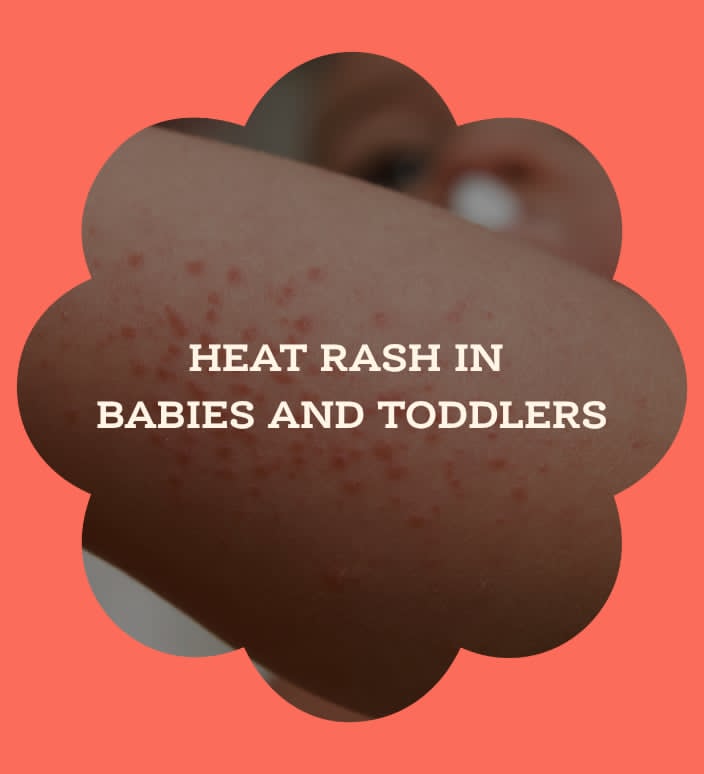
It is 2am. Your baby has been scratching and fussing for hours.You pull back the onesie and find a bumpy red rash across their neck and chest.Before you spiral into a Google search, take a breath.That rash has a name: heat rash, also called miliaria. It looks alarming, it is uncomfortable, and it can disrupt everyone’s sleep. But in most cases it is completely harmless and very manageable at home.
What Is Heat Rash?
Heat rash happens when sweat ducts become blocked and sweat cannot reach the surface of the skin. Instead of evaporating normally, sweat gets trapped underneath, causing inflammation that shows up as tiny red bumps, sometimes with small fluid-filled blisters.
It is most common in babies and young toddlers because their sweat glands are still immature and more easily blocked. Warm weather, overdressing, tight clothing, or anything that causes prolonged sweating can trigger it.
The medical term is miliaria. For most parents, what matters is recognizing it and knowing what to do.
Where Does Heat Rash Show Up?
Heat rash almost always appears in areas where heat and moisture get trapped:
- Neck creases
- Chest and upper back
- Armpits
- Diaper area
- Skin folds anywhere
What Does Heat Rash Look Like?
- Tiny red or pink bumps, sometimes described as small pimples or a cluster of dots.
- In the mildest form, bumps can be clear or white rather than red.
- The skin around the bumps may look slightly inflamed or irritated.
- Small fluid-filled blisters can develop alongside the bumps.
- Usually itchy or prickly, which is why it is sometimes called prickly heat.
Important: Heat rash on its own does not cause fever. If your child has a rash alongside a fever, that combination warrants evaluation.
Why Does It Keep Babies Up at Night?
Heat rash is itchy. For a baby or toddler who cannot communicate what they are feeling or control the urge to scratch, that itch translates directly into fussiness, restlessness, and disrupted sleep.
The discomfort tends to feel worse when the skin is warm, which is often the case at night when your baby is wrapped in a sleep sack or lying against a mattress. This is one of the most important reasons to address heat rash quickly and to make sure the sleep environment is as cool and breathable as possible.
Treatment at Home
What HELPS
| What does NOT help
|
When Is It Something Else?
Most heat rash resolves within a few days with cooling measures. Come in if you notice:
- The rash is spreading rapidly or covering a large area quickly.
- Your child has a fever alongside the rash.
- The bumps look infected
- Your baby seems unwell, unusually lethargic, or not eating normally.
- The rash does not improve within a few days of cooling measures.
- You are not sure what you are looking at.
Heat Rash vs Allergic Rash: How to Tell the Difference
Heat Rash
| Allergic Rash
|
Emergency
If the rash appeared suddenly across the whole body, looks like raised welts, or came alongside swelling of the face or difficulty breathing, that is not heat rash. Come in immediately or call 911 if breathing is affected.
Preventing Heat Rash This Summer
- Dress for the temperature.
- Keep sleep environments cool.
- Avoid prolonged time in baby carriers during hot weather.
- Change diapers frequently.
- After baths, make sure all skin folds are fully dry before dressing.
A Note From the KidsWatch Team
Heat rash is one of those things that looks scarier than it is, especially at 2am when your baby is inconsolable and you cannot figure out what is wrong.
If you are not sure what you are looking at, or if anything about the rash does not match what we have described here, come in and let us take a look. That is what we are here for.
You are not overthinking it. 💛
This post is for general informational purposes only and is not a substitute for professional medical advice, diagnosis, or treatment. Always consult your child’s pediatrician with questions about your child’s specific health needs.
Comments will load here
Be the first to comment